
"multi-trunk pruning"
2390 article(s) found
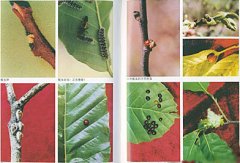
Common Diseases and pests in Coffee cultivation and Prevention and Coffee basic knowledge
(1) Pest control 1. Coffee tiger longicorn beetles are distributed in all coffee producing areas in the world, and also occur in Yunnan, Guangxi and Hainan Island in China. It is one of the major pests of coffee. The coffee tiger longicorn beetle harms the coffee trunk for more than 2 years. At first, it eats between the cambium and xylem, and then eats the xylem. The victim was a curved tunnel filled with sawdust.

Real picture of the process from coffee tree to harvest
The coffee tree is more than 3 meters tall. Coffee flowers white flowers, beautiful like magnolia, but life is short, it will wither after 3 days! After the coffee beans are in full bloom, the coffee beans turn from green to red and when the fruit is bright red and ripe, you can begin to pick and harvest the fruit, remove the skin, soak it in water for 12 to 16 hours, and then wash it. Remove the peel of coffee beans
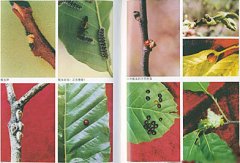
Common Coffee Diseases and pests in Coffee cultivation and Control methods
It is distributed in all coffee producing areas in the world, and it also occurs in Yunnan, Guangxi and Hainan Island in China. It is one of the major pests of coffee. Coffee longicorn beetles, which damage the coffee trunk by larvae for more than 2 years, initially eat between the cambium and xylem, and then eat (1) pest control. 1. Coffee tiger longicorn beetles are distributed in all coffee producing areas in the world. Yunnan, Guangxi and Hainan, China
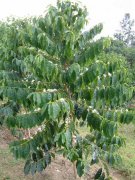
A real picture of the harvest process from coffee tree to coffee fruit
The coffee tree is more than 3 meters tall. Coffee flowers white flowers, beautiful like magnolia, but life is short, it will wither after 3 days! After the coffee beans are in full bloom, the coffee beans turn from green to red and when the fruit is bright red and ripe, you can begin to pick and harvest the fruit, remove the skin, soak it in water for 12 to 16 hours, and then wash it. Remove the peel of coffee beans
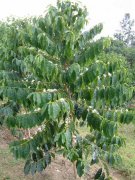
The process from Coffee Tree to Harvest the picking process of Coffee beans
The coffee tree is more than 3 meters tall. Coffee flowers white flowers, beautiful like magnolia, but life is short, it will wither after 3 days! After the coffee beans are in full bloom, the coffee beans turn from green to red and when the fruit is bright red and ripe, you can begin to pick and harvest the fruit, remove the skin, soak it in water for 12 to 16 hours, and then wash it. Remove the peel of coffee beans

Peruvian coffee beans, Peruvian Fipas farm coffee introduction.
For more information on coffee beans, please follow the coffee workshop (Wechat official account cafe_style). The Fespanon Garden was set up by Victor Arehundro Garcia in 1960 and continued by Wilder's father, Oracio. Although the third generation of Wilder is only 24 years old, he hopes to participate in the farm organized by professional institutions at the age of 18.

Peruvian coffee beans, introduction to Peruvian Fipas Farm Coffee
For more information on coffee beans, please follow the coffee workshop (Wechat official account cafe_style). The Fespanon Garden was set up by Victor Arehundro Garcia in 1960 and continued by Wilder's father, Oracio. Although the third generation of Wilder is only 24 years old, he hopes to participate in the farm organized by professional institutions at the age of 18.

Peruvian Coffee Variety Fespanong Bourbon Variety washing Peruvian Coffee Flavor
Professional coffee knowledge exchange more coffee bean information please pay attention to the coffee workshop (Wechat official account cafe_style) Peru-Kahamakafispa Farm Bourbon varieties washing Peru-CajamarcaFinca FespaBourbon Washed region Cajamaca County Ubalu County Ubaru County Uberco Farmer Wilder Gracia varieties Bourbon picking method of ripe beans

Peruvian Coffee-Fespanon Bourbon washing single Coffee beans recommended
Professional coffee knowledge exchange more coffee bean information please follow the coffee workshop (Wechat official account cafe_style) Peru-Kahamakafispa Farm Bourbon varieties washing Peru-CajamarcaFinca FespaBourbon Washed region Cajamaca County Hahn County Ubalu District Ubalu area Uberco Farm owner Bourbon extraction method is perfect

Flavor Description of Honduran Coffee Bean Grind Scale Variety Region Manor Taste
Flavor Description of Honduran Coffee Bean Grind Scale Variety Region Manor Taste Honduran coffee beans are large in size, uniform in color and shiny. To make harvesting easier, farmers prune coffee trees to no more than 150 centimeters, which requires a ladder to pick, which takes time and can damage the tree by bending branches.

Cultivation Techniques of Coffea arabica in Yunnan
Control methods: ① strengthen management, reasonable pruning, appropriate shade. (2) Artificial killing of adults and larvae, timely cutting down and burning of damaged branches. 2. Coffee leopard wood moth. It is widely distributed and is one of the common coffee pests, which can harm a variety of economic crops. The larvae overwinter in the branches, and the larvae often eat upward in the branches, forming a tunnel of 30~60 cm. Prevention methods: ①

Cultivation techniques of small Coffee knowledge of Coffee planting
Prevention and treatment methods: ① strengthen management, reasonable pruning, appropriate shade. ② artificially killed adults and larvae, cut off the damaged branches and burned them in time. two。 Coffee leopard bark moth. It is widely distributed and is one of the common coffee pests, which can harm a variety of cash crops. The larvae overwintered in the branches, and the larvae often ate upward in the branches, forming a tunnel of 30cm to 60cm. Prevention and control methods:

What is coffee and tea? How does coffee and tea taste? What is the origin of coffee leaf tea consumption?
The most valuable part of the coffee plant is its cherry. After harvest and processing, it provides us with beans that have been baked, ground and brewed. But what about the rest of the factories? Usually, when a coffee plant is pruned or pruned, its stems, branches and leaves are thrown away. However, in some parts of the world, the leaves are picked and boiled to make coffee and tea. Coffee leaf tea consumption

What is Project tomorrow Sun? What are the flavor characteristics?
Liwei's "tomorrow plan", that is, the plan to comprehensively upgrade Bolivian coffee, requires a lot of money and effort to guide small coffee, which includes various important technologies such as technical support, breeding, pruning, harvesting, and so on, and collect small coffee at a high price, so that the income of farmers is the same as that of coffee products and enter a good market. The most famous producing area of Bolivian is Ca.

Flavor description of Honduran coffee beans; grinding scale method for taste treatment of varieties
Flavor description of Honduran coffee beans the taste of Honduran coffee beans is treated by grinding scale varieties. The granules of Honduran coffee beans are large in shape, uniform in size, uniform in color and glossy. In order to facilitate harvesting, farmers will prune the coffee trees to no more than 150 centimeters, because if they grow too high, they have to set up ladders to pick, which is not only time-consuming, but also may damage the trees by bending branches. Due to

The Kasailu of the coffee industry?! The feedback of Ruixing's new product makes the official can't help saying: let you out.
What is it? Let this netizen make such a spiritual comment? Since the last time everyone's life can bring a thick and sweet blue sky and white clouds latte, Rui Xing has been on the new product again. According to the usual practice, every time Rui Xing's new products can not escape the heated discussion among netizens. But! The direction of this discussion is not only to let netizens who eat melons

The treatment of Honduran coffee beans the taste grinding scale variety producing area
The processing method of Honduran coffee beans taste grinding scale varieties produced in Honduras coffee bean particles are large, uniform in size, uniform in color and glossy. In order to facilitate harvesting, farmers will prune the coffee trees to no more than 150 centimeters, because if they grow too high, they have to set up ladders to pick, which is not only time-consuming, but also may damage the trees by bending branches. Due to

Introduction to the grinding scale for the description of coffee flavor in Honduras
Honduran Coffee the granules of Honduran coffee beans are large in shape, uniform in size and uniform in color. In order to facilitate harvesting, farmers will prune the coffee trees to no more than 150 centimeters, because if they grow too high, they have to set up ladders to pick, which is not only time-consuming, but also may damage the trees by bending branches. As the ripening period of each fruit of coffee bean is different, it should be guaranteed.